Who will be the next pope?
A good Catholic would avoid asking such a question. In the recent past, if he had heard someone observe a drastic difference between Francis and Pius XII, the last pre-Vatican II pope, he would have performed mental gymnastics to say, “Despite the difference between those two men, the papal office remains the same. As far as I’m concerned, Pius XII and Francis are the same.”
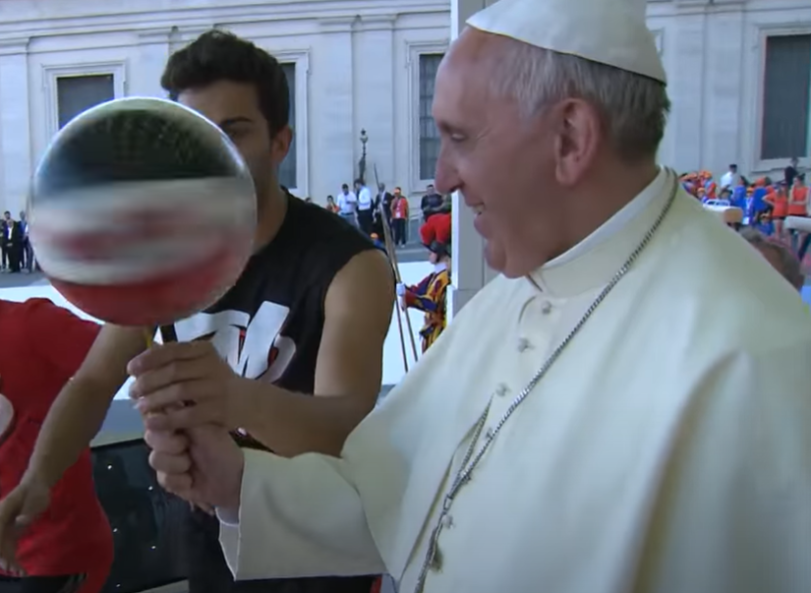
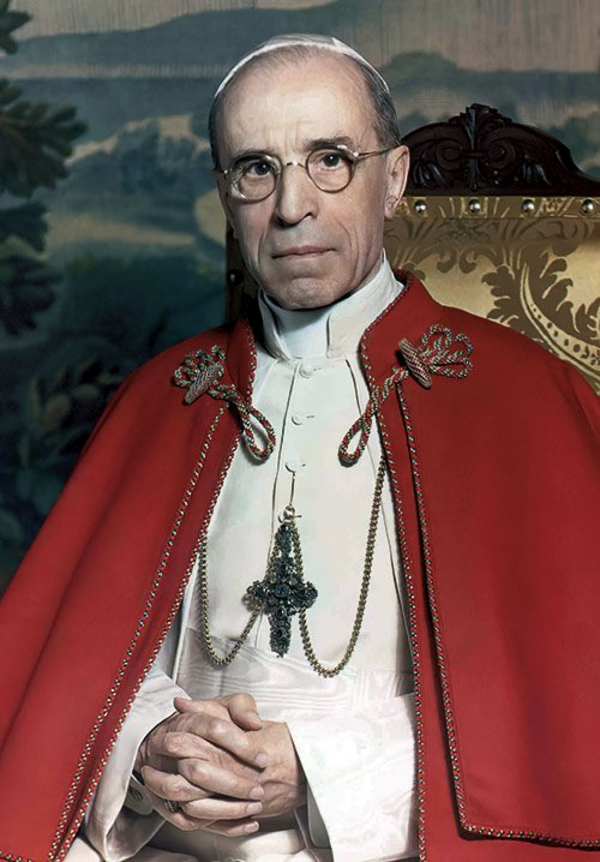
Let’s consider this Catholic a traditionalist, a fan of Pius XII. He’s not one to claim that the papal throne sits vacant (sedevacantism), meaning that there hasn’t been a true pope since Pius XII (d. 1958). He wants to be a good Catholic and remain in communion with Rome and the chair of Peter where the vicar of Christ sits. But he’s dissatisfied with the direction Rome has been heading since the Second Vatican Council of the 1960s.
We may also, in this thought experiment, have as our subject a Catholic in line with the so-called spirit of Vatican II. Perhaps we may call him a “progressive” excited about the “loosening up” of liturgical ceremonies, less pageantry in ceremony, less ostentation in liturgical dress, replaced by an overriding penchant for social justice. Either way here, it doesn’t matter. When it comes to the papacy, Pius XII and Francis were the same.
Either the so-called traditionalist or progressive, despite his assertion that neither pope is different as he is in his office, continues to concern himself with the outcome of any conclave. Why?
He’ll reveal disappointment with or satisfaction in the cardinals’ selection. But why would he if the office makes the man the same?
If he reveals disappointment, however, it’s his duty as a good disciple of Rome, or to avoid contradicting himself, to resign himself seemingly to the outcome.
It remains his duty to perform more mental gymnastics and say, “Well, who am I to say who should be pope? I must accept this with humility” etc.